
Summer Newsletter ⛅
Slowly, slowly

Dear friends,
It began with an old issue of Artforum by the bed.
The year was 2021; the cover was a work by Joyce Kozloff, a pivotal figure in feminism and Pattern and Decoration movements in the US in the 1970s. Artforum was still under the editorial leadership of David Velasco, and within its pages was a review of a Ha Bik Chuen exhibition at Tai Kwun, written by Ysabelle just a few months prior to the opening of PHD Group. Back then, we had already encountered the boxes of dusty objects and furniture that had inhabited the gallery space for decades, echoing the archives of Ha Bik Chuen’s estate that were on display at Tai Kwun.
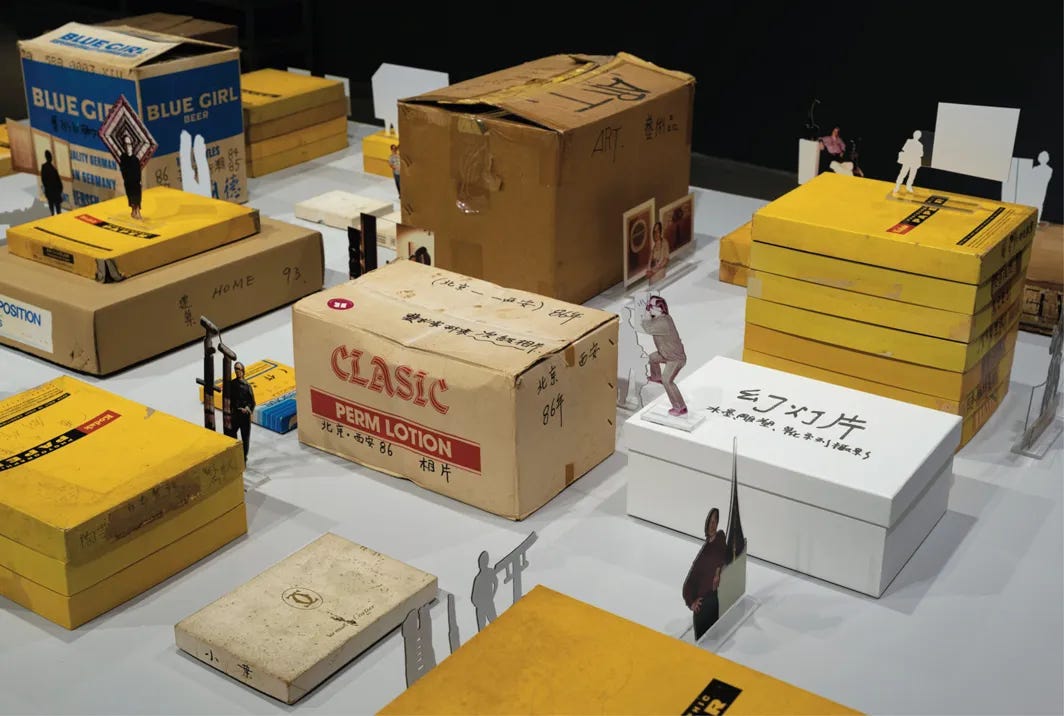
Like many magazines, books, ephemera, and messages that came our way at that time, we delayed our attention toward it — I’ll get to that later was always the sentiment, the postponement stretching days and months, then finally years. The magazine itself became a stagnant object, unread and unopened, the only sign of aging the slight softening of its edges.
Then one summer evening the magazine by chance made its way to our home, and then bedside table. We picked it up and read it, recovering the time we had lost five years prior when we first received the copy in the mail.
As two people who have devoted parts of their lives to literature and writing, the tradeoff of time that began when we opened the gallery was at first chafing and unnatural. We had absorbed the general advice that to open any new business requires a blood sacrifice, so we willingly gave our hours — waking and sleeping — to this space and its operations. As the years passed, we became more assured, and then unrelenting, in our vision, which ironically was to build a place where one could meaningfully spend time.
Anyone who has visited the gallery will know that we treat the space like our own living room. A coffee or water is offered to the thirsty guest, and discussions about our exhibitions and artworks will lead into other rooms, other stories. Oftentimes dear friends will pop by, resulting in catch ups that can last long into the night with wine and good music. Yet it has been extraordinarily difficult to maintain this sense of time and space. Very often we encounter criticisms about our appointment-only system and our lack of visibility on Google Maps. And while some of these criticisms come from those just passing by, the majority of these demands actually stem from those within our own industry. Constantly we are being asked to perform on the spot to the impatience of others, to instantly pander to market movements that we ultimately cannot control, and to answer questions about the value of our artist’s work in terms that we can only describe as crude.
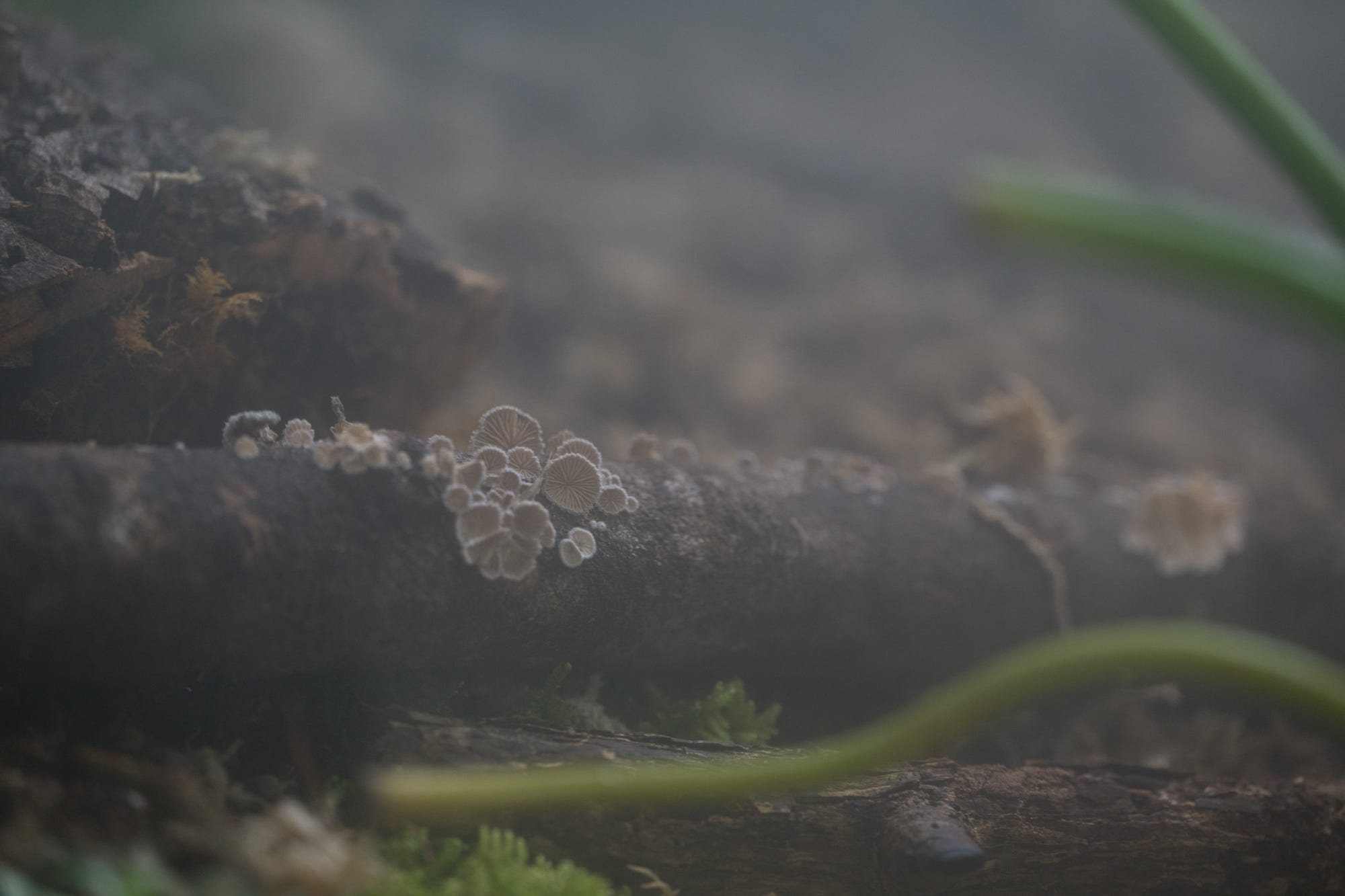
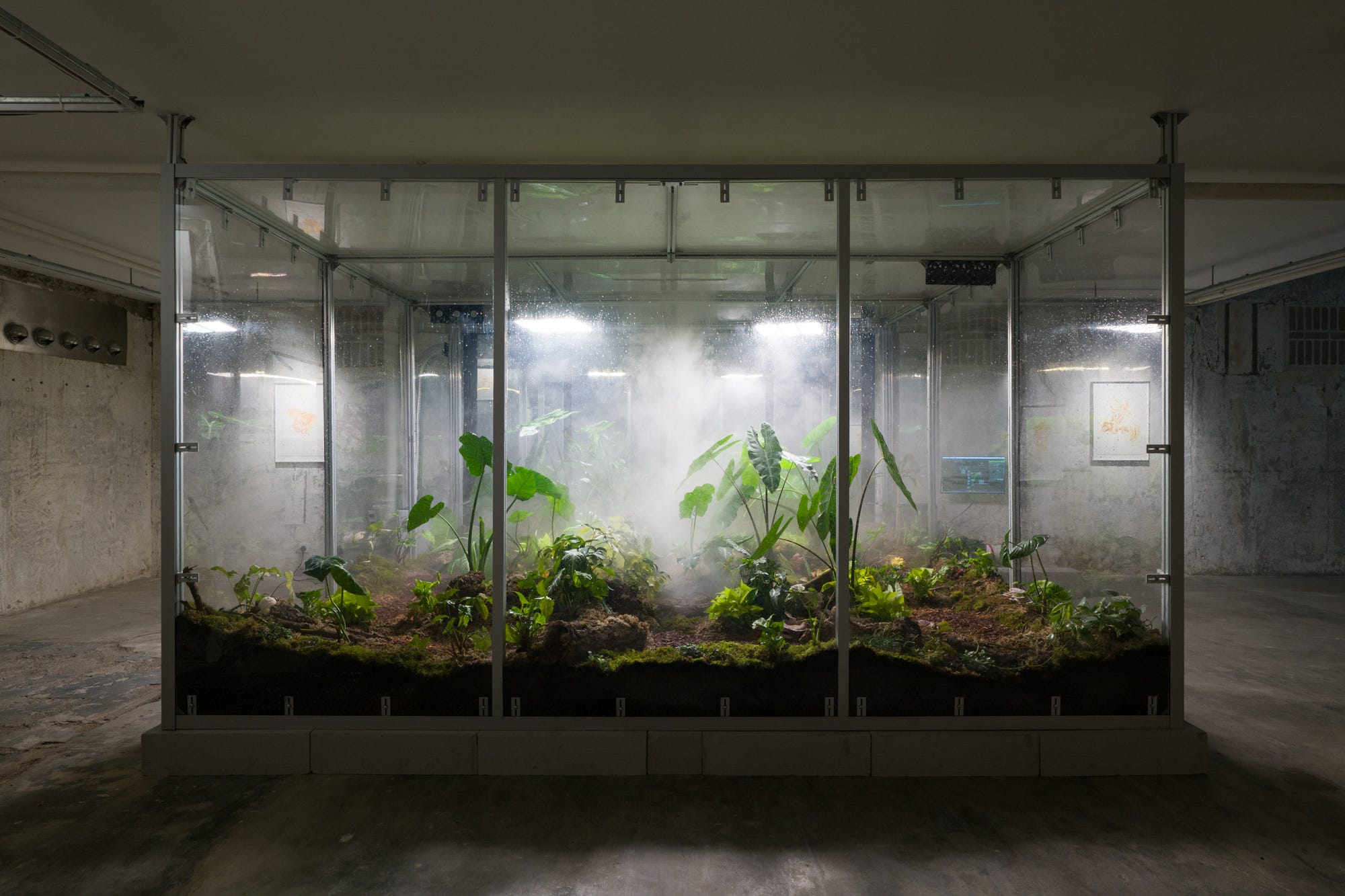
Resisting these external pressures is never easy, but at almost five years in we are only ever more committed to our own type of quiet and slow time. Since March, we have been custodians of Zheng Mahler’s large vivarium full of plants and fungi. Day by day we have watched this enclosed ecosystem develop and flourish, with mycelium roots visible against the soil and baby snails playfully trailing up and down on the glass. To our visitors we tell stories of these expansive lives: a fungi with 23,000 sexes, a plant that has twined itself with a log, the grasshopper that sunbathed on the top of a lingzhi one afternoon. Entangled within the stories of these giant leaves and tiny bugs is time itself, asking us to pay attention not only to the systems around us, but to those within.
Warmly,
Willem and Ysabelle
NEWS
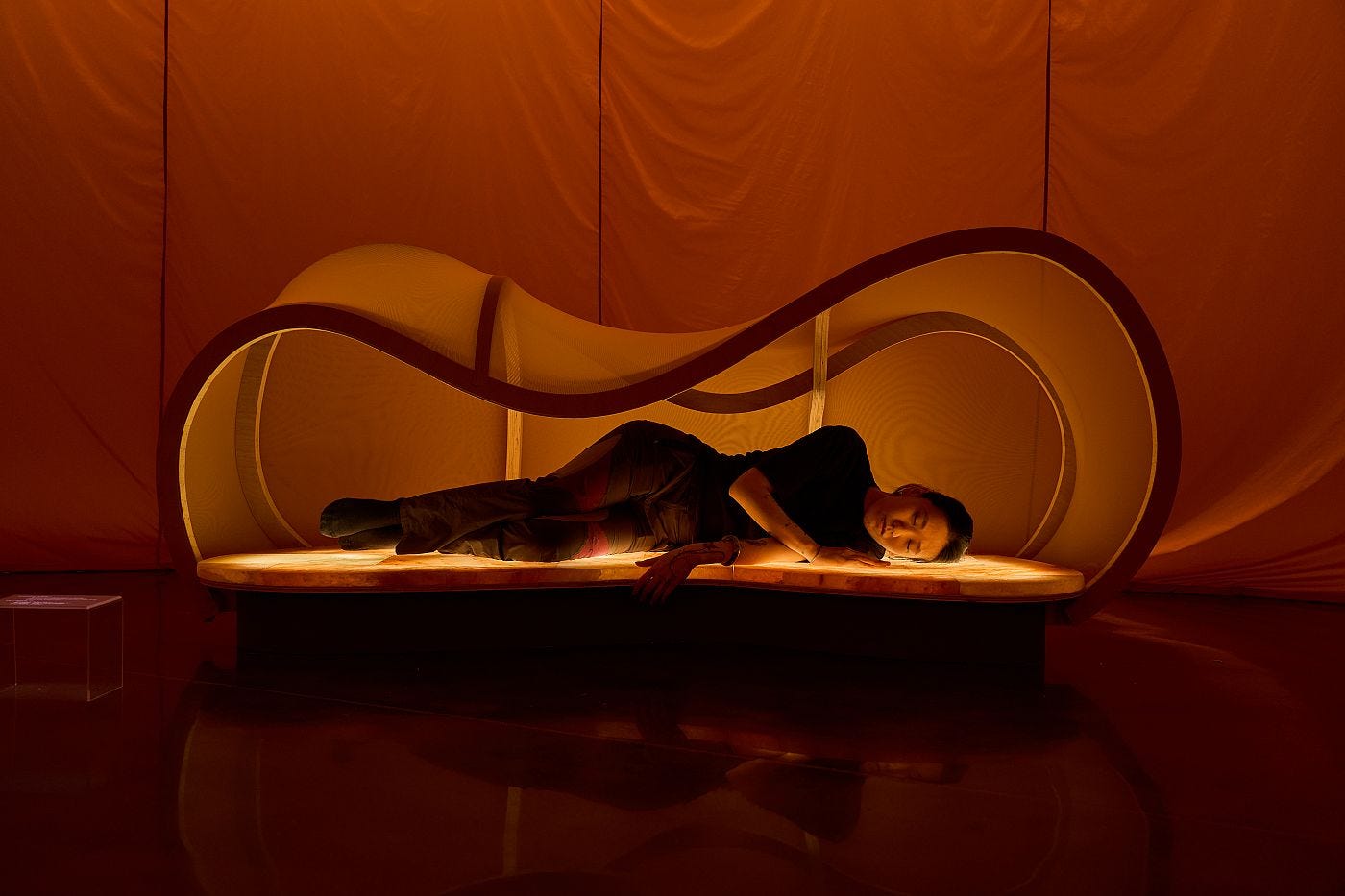
Michele Chu’s solo show “gasp” is now on view at MACA Art Center in Beijing, co-curated by MACA Associate Curator Yang Li and MACA Assistant Curator Zhou Chu. Featuring all new commissions, the show explores the “the body’s response after intense emotion or physical exertion” through weighted salt curtains, resting pods, and sound installations. The exhibition runs through August 23.
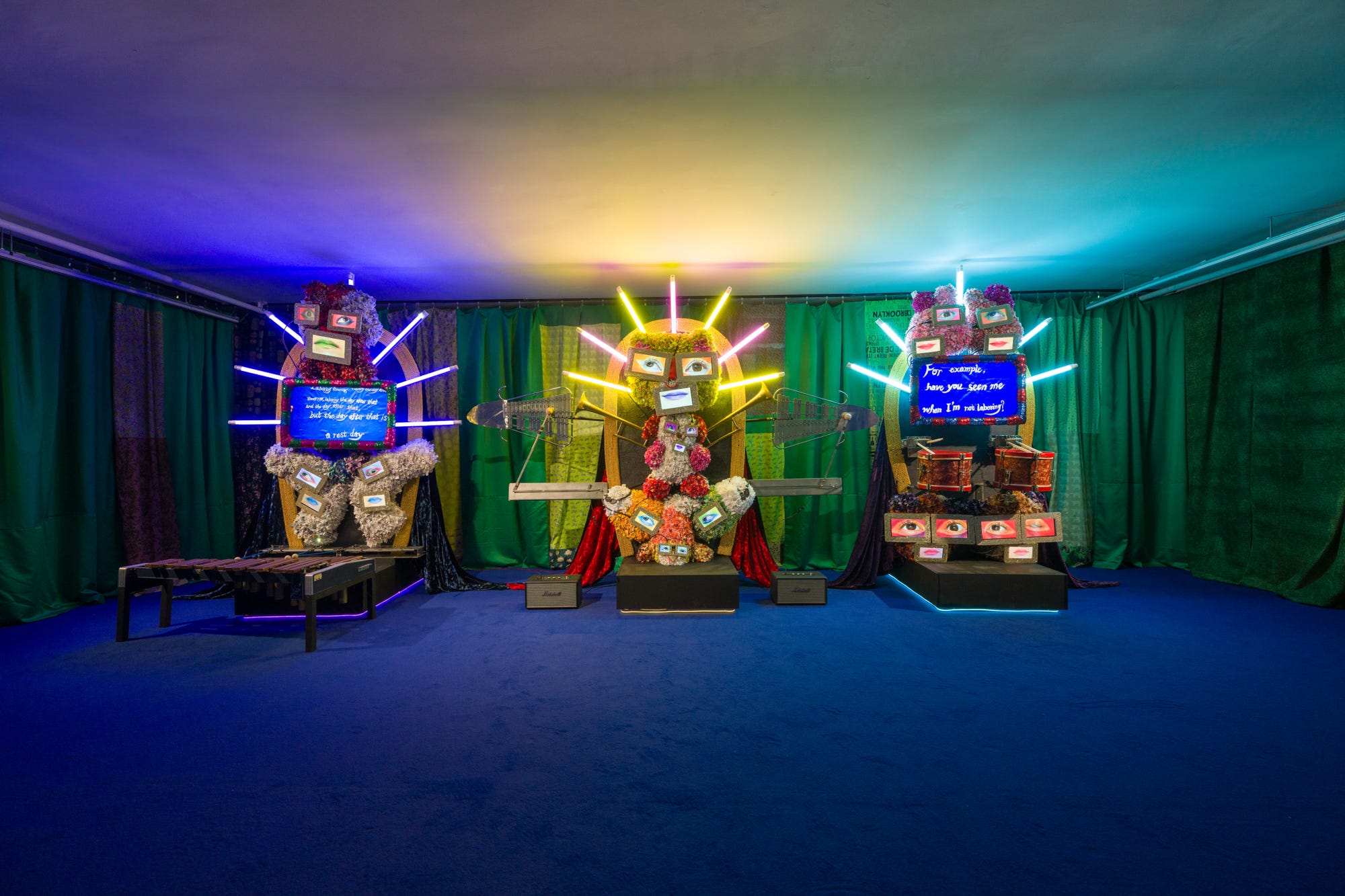
We are happy to announce that Sasaoka Yuriko’s Animale is now in the collection of Dib Bangkok. The work was recently on loan to the Shiga Museum of Art for the artist’s solo exhibition earlier this year.
Sasaoka also recently unveiled a new installation project at Ichihara Lakeside Museum.
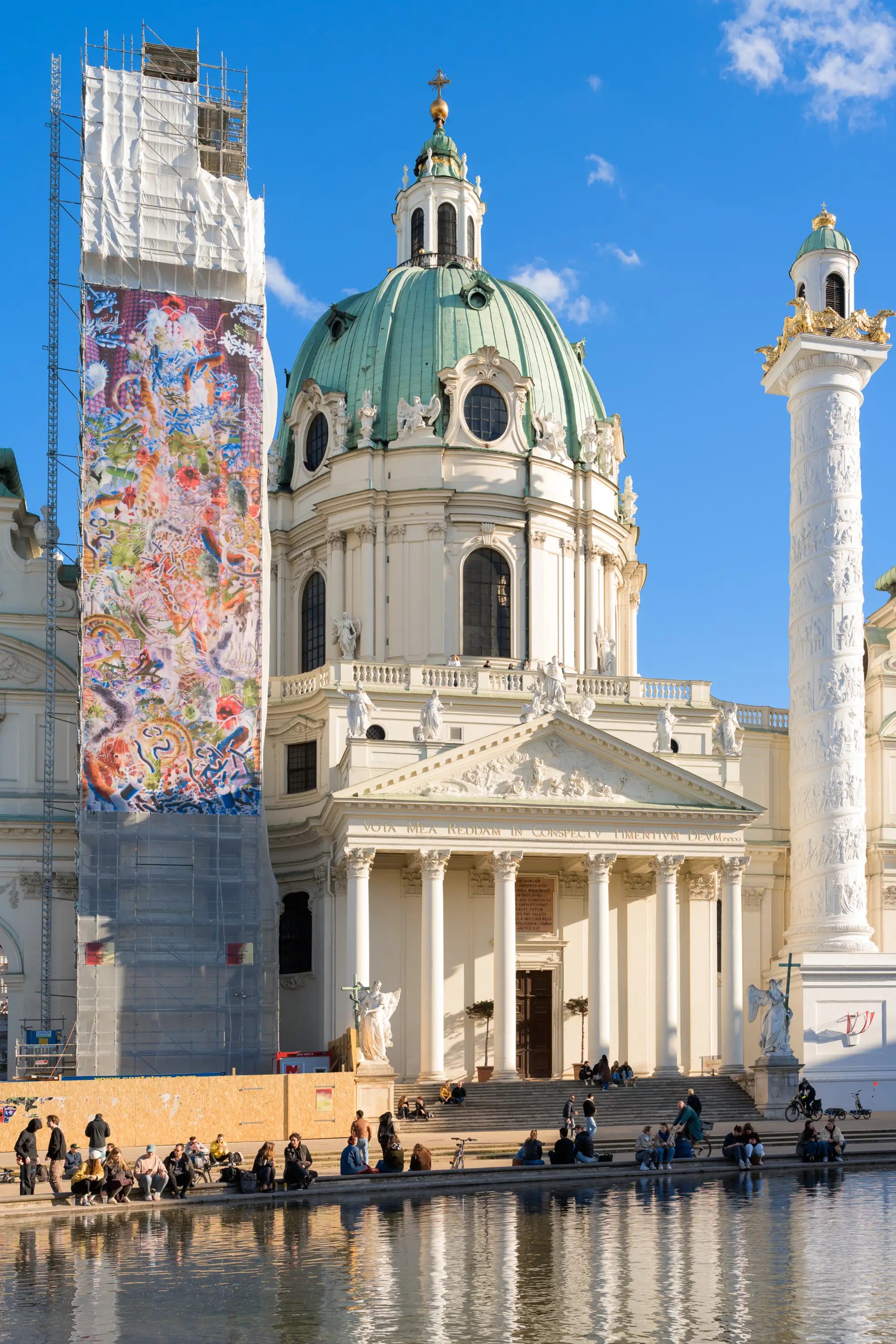
Zheng Mahler’s new commission for Klima Biennale Wien in Vienna was on view from April to May at Karlskirche, a Baroque church in the Karlsplatz, as part of the sub-exhibition, “(No) Funny Games or how we learned to start caring and love the dystopia.” The exhibition was featured in an article in the New York Times.
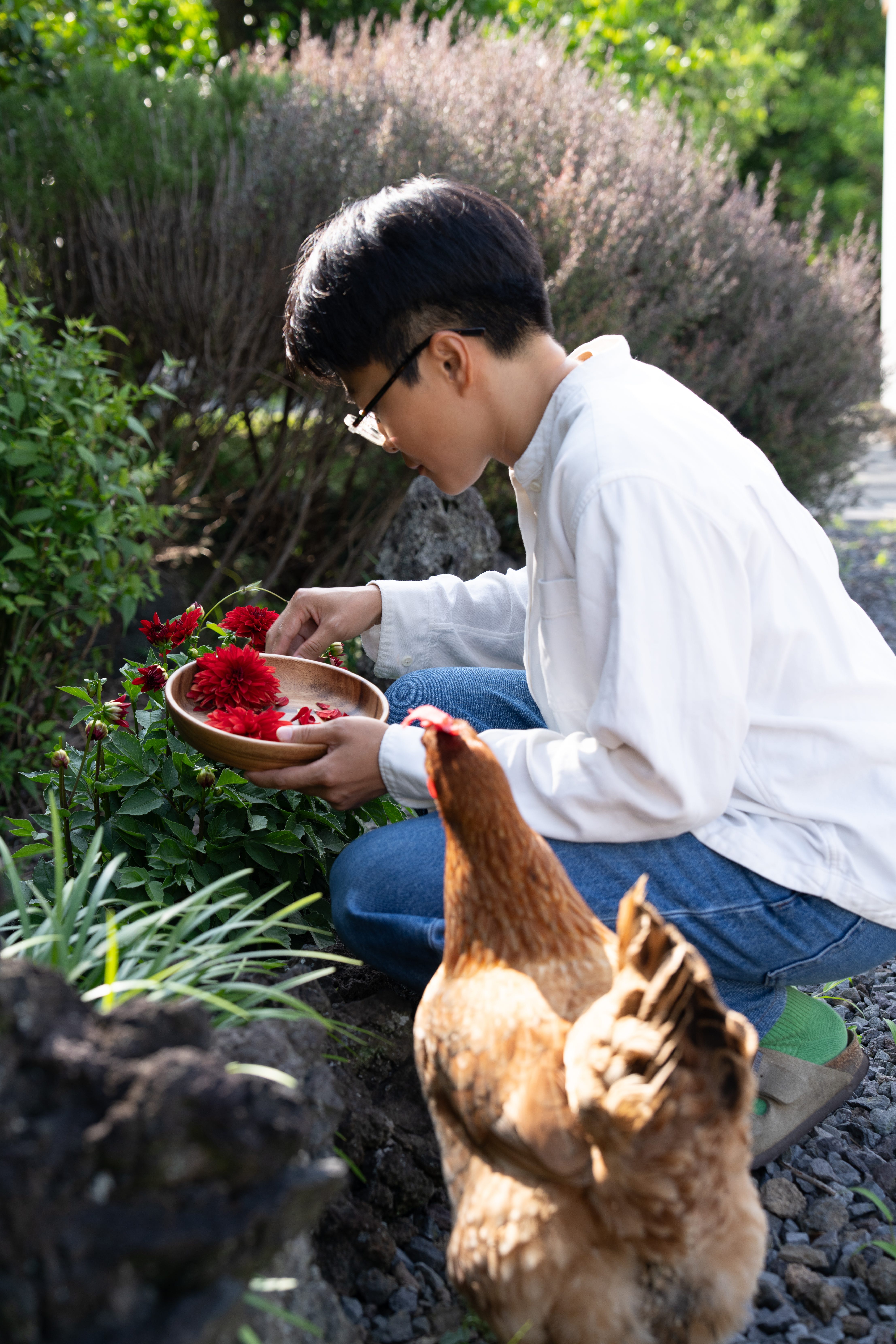
Chan Ting recently completed a residency in Jeju at Next Door to the Museum, a space run by artist Yujin Lee that hosts artists from all over the world. While there, they initiated several fire ceremonies as part of their practice in rituals and healing. During an open studio session, Chan shared notes from their time in Jeju and invited visitors to taste a potato tomato soup they had simmered in the kitchen.
Chan’s work can also be viewed across two exhibitions in Hong Kong currently. The first is “Offline Memories: Hong Kong LGBTQ+ Archive of Printed Matter from the Pre-Internet Era” at Tomorrow Maybe, Eaton.
The second is at Duddell’s in Hong Kong, as part of a group exhibition pairing legacy Hong Kong artists with contemporary practitioners. The exhibition is curated by PHD Group in collaboration with Duddell’s and features Ha Bik Chuen with Chan Ting, and Fan Ho with Mark Chung.
UPCOMING PROJECTS
At YDP space in London, Michele Chu will present a new commissioned “sound trail” for “Bubbling,” a summer festival program curated by Erin Li. The programs will take place in the garden opposite the main space, and takes place July 26 and July 27.
Over in Japan, Sasaoka Yuriko will present work at the Contemporary Art Museum, Kumamoto (opening September 19). She will also participate in TOKYO ATLAS, an international festival exhibition taking place across various venues in the city. TOKYO ATLAS runs from October 10 to December 20 and features work by Yayoi Kusama, Kawita Vatanajyankur, and others.
RECOMMENDATIONS
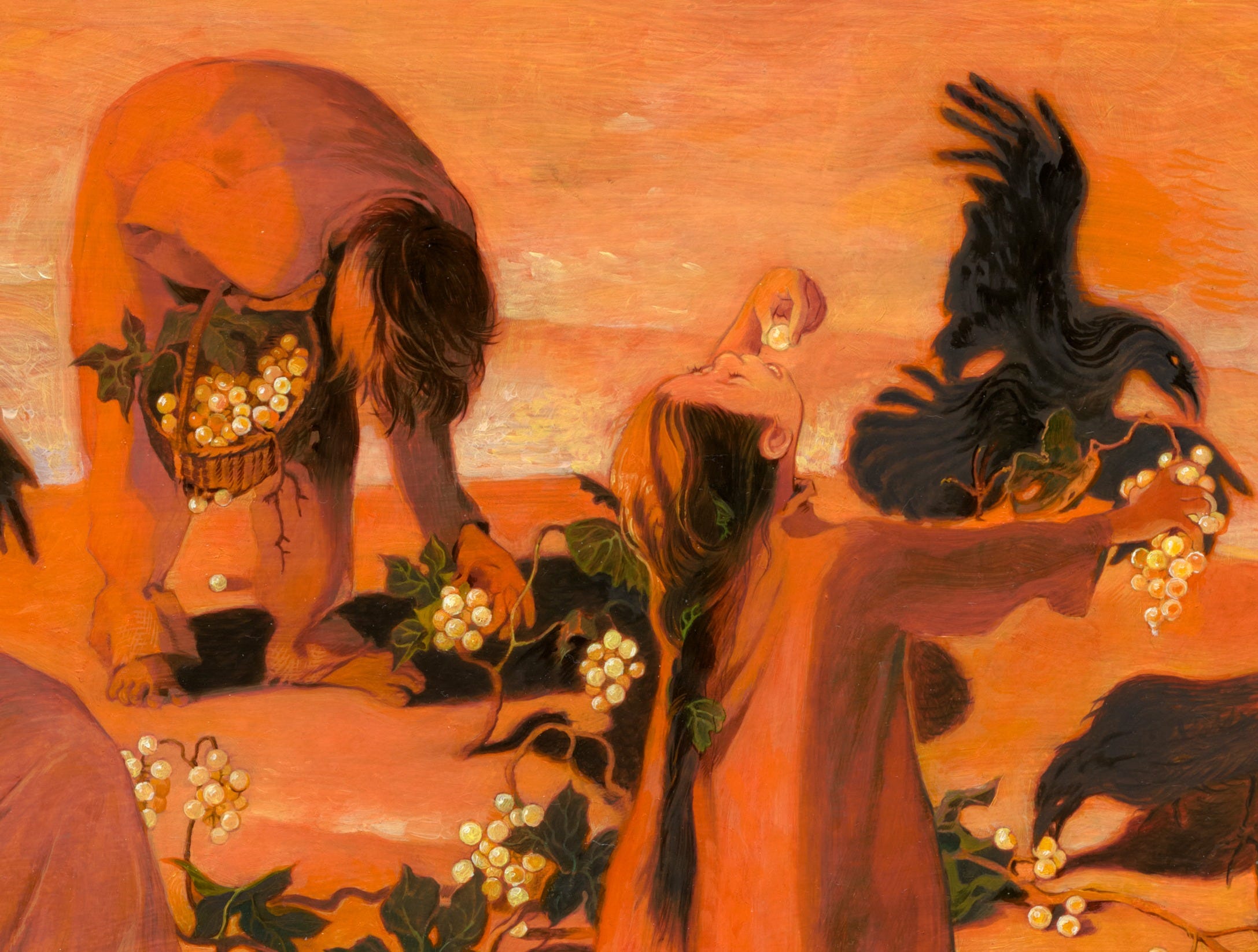
Our next exhibition, opening September, features the paintings of Beijing-based artist Xi Jiu. Xi Jiu makes books and films as well as paintings; her recommendations are below:
Julio Cortázar
Bestiario
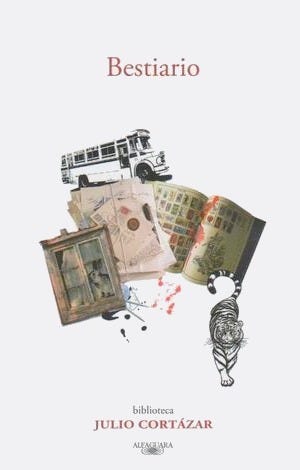
《这可以说是对我的绘画影响最大的一本书,我永远忘不了带着这本小小的短篇集在地铁上连看四遍的时光。那些极致的、忘我的观察,混沌而灵巧的比喻,以异常强烈的观感重现着我们生活中被忽视的感受。》
“This is arguably the book that has most profoundly influenced my painting; I will never forget the time I spent on the subway, reading this slim collection of short stories over and over—four times in total. Through moments of intense, self-forgetting observation and metaphors that are at once chaotic and deft, it vividly resurrects—with striking sensory power—feelings in our lives that usually go unnoticed.”
Messiaen
Quartet for the End of Time
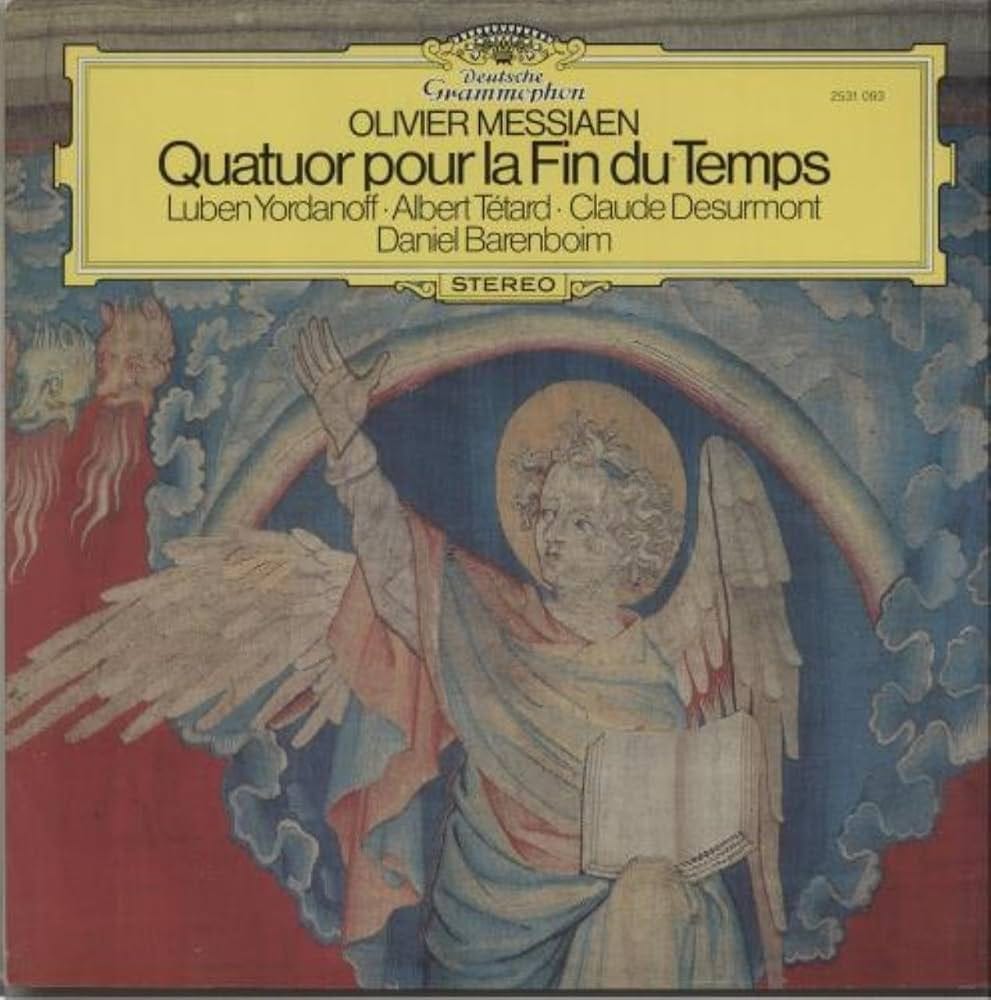
《这部乐曲有着无穷无尽的痛楚和吸引力。》
“This piece holds an infinite depth of both anguish and allure.”
And we recommend this book of haikus, Applause for a Cloud, by Sayumi Kamakura. The volume came to us by chance at a book launch for Hong Kong-based poet James Shea, the translator of Kamakura’s haikus; these succinct, fleeting, and often sharply humorous poems have carried us through these damp days.
Take care,
Willem and Ysabelle